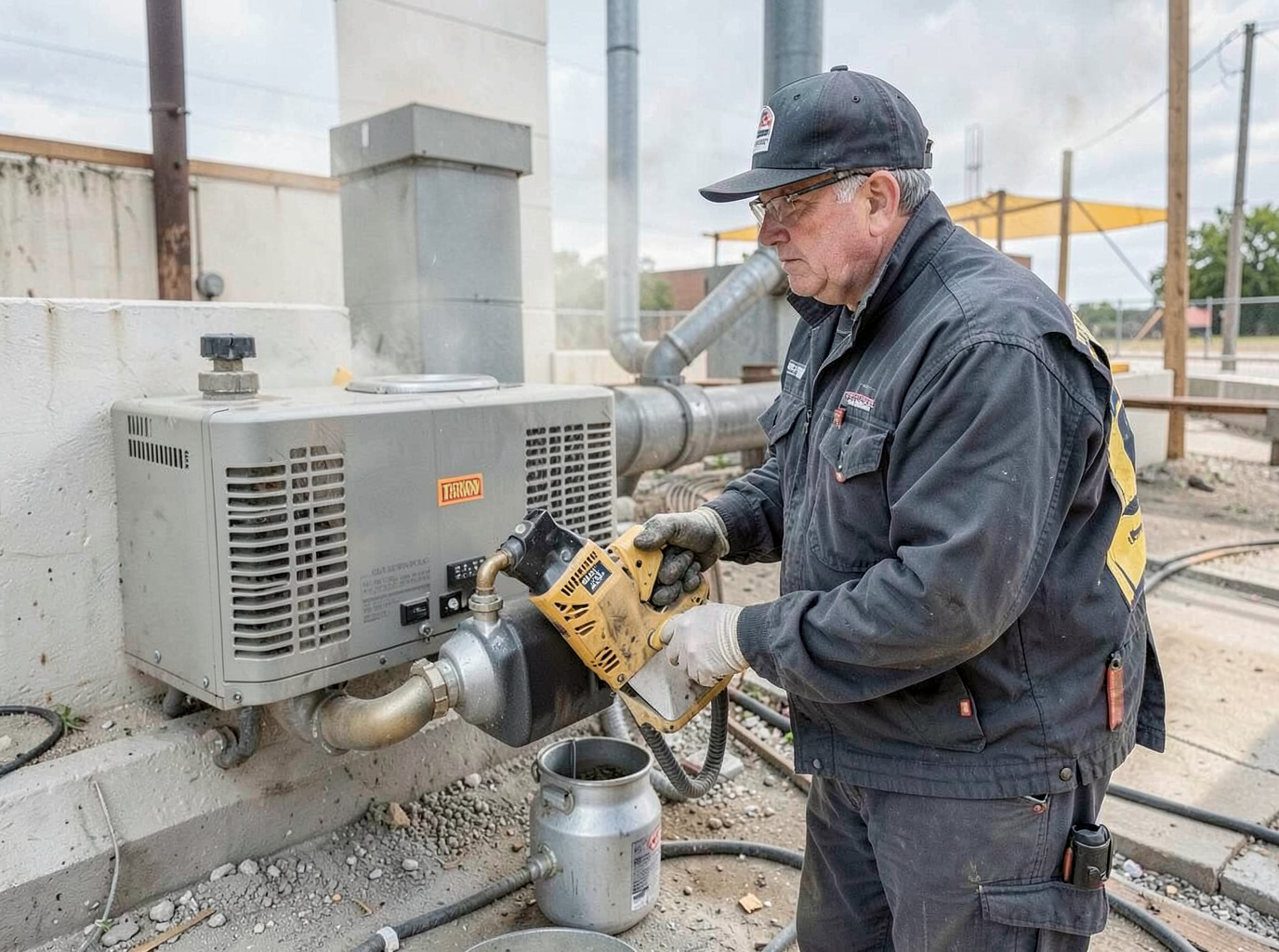
Tallahassee's humid subtropical climate keeps relative humidity high through summer and into mild winters, so structural drying after leaks or flooding must account for trapped moisture in older plaster and lath walls common in Downtown and Midtown properties built before 1970. We place air movers and commercial dehumidifiers to pull moisture from studs and subfloors rather than just surface drying, because residual water in Killearn Estates crawl spaces often leads to hidden mold within 48 hours when temperatures stay above 80 degrees.
In College Town and Southwood neighborhoods, slab-on-grade construction and limited ventilation under homes make moisture migration into baseboards and insulation a frequent issue after storms moving in from Panama City. Our process uses moisture meters and infrared imaging to locate saturation in drywall, hardwood, and carpet padding without unnecessary demolition, then maintains negative pressure to exhaust humid air while monitoring for secondary damage to electrical components or HVAC returns.
Leon County soil holds water longer than sandy coastal ground, so post-rain events in Valdosta-adjacent areas can keep foundation moisture elevated for days. We adjust dehumidifier settings daily based on actual grain depression readings instead of fixed schedules, because over-drying can crack older heart-pine floors while under-drying leaves conditions for mildew behind base cabinets and in closets.
Edge cases include water that has wicked into multi-story balloon framing near Florida State University or Doak Campbell Stadium, where gravity pulls moisture downward into lower walls. We document moisture levels at each visit and coordinate with homeowners on equipment placement to avoid tripping hazards or noise complaints in dense residential blocks.
Technician insight
In Tallahassee the thing that catches most people out with structural drying is how quickly moisture travels through the balloon framing in pre-1960 homes around Florida State University when summer humidity stays above 70 percent. Homeowners often stop equipment too soon once surfaces feel dry, but the studs behind kitchen cabinets in Midtown still hold water that later causes hidden mold.
Southwood Slab Leak Drying
Water from a slab leak had wicked under tile and into perimeter walls of a 1980s Southwood home. We mapped saturation extending six feet into the living room and under base cabinets. Directed drying with low-profile mats and daily readings brought moisture levels down over five days without removing the tile. The homeowner avoided mold remediation and full floor replacement.
Structural Drying & Dehumidification Services We Offer
✓Crawl Space Structural Drying
Removes standing and trapped moisture from under-home crawl spaces common in Southwood and Killearn Estates to stop mold growth in joists and insulation.
✓Drywall and Insulation Extraction
Cuts and removes saturated drywall sections while extracting water from fiberglass batts in older Midtown and Downtown homes before mold sets in.
✓Hardwood Floor Drying
Uses specialized mats and dehumidifiers to pull water from tongue-and-groove floors without cupping, protecting original wood in College Town properties.
✓Slab Moisture Mitigation
Addresses water that has wicked into concrete slabs and underlayment in Southwood ranch homes using targeted air movement and vapor barriers.
✓Attic and Ceiling Cavity Drying
Forces dry air into ceiling cavities after roof leaks near Florida State Capitol or Doak Campbell Stadium to prevent hidden saturation in rafters.
Structural Drying & Dehumidification Cost in Florida
| Service | Typical Range | What Affects It |
|---|---|---|
| Residential structural drying (single room) | $600–$1,200 | Varies with wall access and daily equipment needs in older Downtown homes. |
| Crawl space drying | $800–$1,800 | Higher in Killearn Estates due to limited access and insulation removal. |
| Multi-room or slab moisture job | $1,500–$3,500 | Driven by square footage and length of time water sat in Southwood slabs. |
Ranges are typical for Florida and confirmed with an exact written quote before any work starts.
How it works
- 1
Moisture Mapping
We use meters and thermal imaging to locate every saturated area in walls, floors, and cavities across the Tallahassee property.
- 2
Equipment Placement
Air movers, dehumidifiers, and containment barriers are positioned to create directed airflow and maintain negative pressure without disturbing daily routines.
- 3
Daily Monitoring
Technicians return each day to record moisture readings, adjust equipment, and document progress until all structural materials reach dry standards.
- 4
Final Verification
We recheck all previously wet zones and provide a written report before removing equipment to confirm no hidden moisture remains.
Pricing
Pricing depends on square footage affected, number of rooms, and how long moisture has been present.